Understanding Property Damage Before Rushing Decisions
Property damage creates urgency.
However, urgency often reduces clarity.
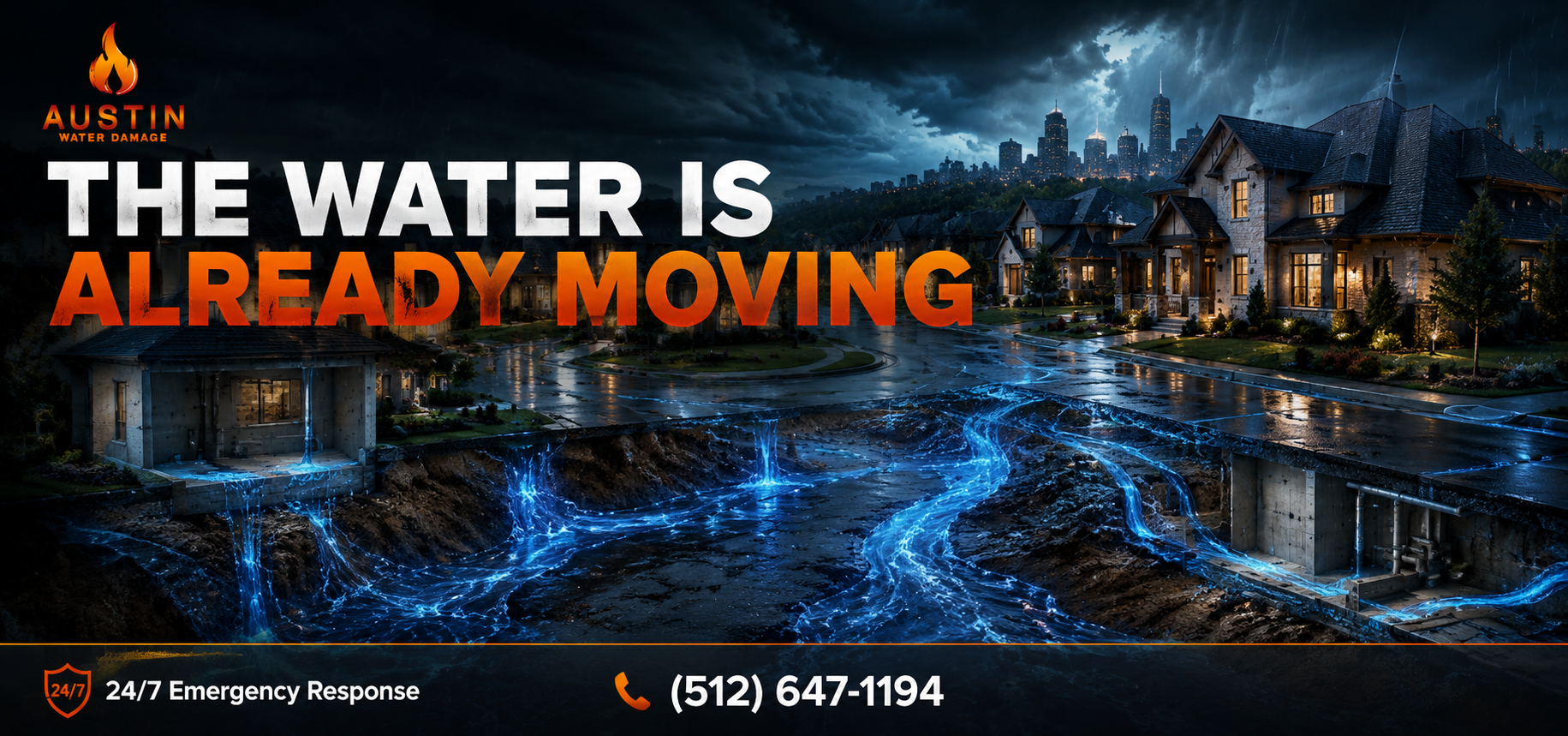
Water spreads quickly.
Fire leaves layered effects.
Flooding changes structural conditions in ways that are not immediately visible.
Over time, restoration work has become more complex.
Homes now rely on sealed assemblies, layered materials, and tightly connected systems.
As a result, damage behaves differently than it did a decade ago.
This site exists to help homeowners understand those changes before making decisions that are difficult to reverse.
Why Restoration Decisions Feel Harder Today
Increased system complexity has narrowed the margin for error.
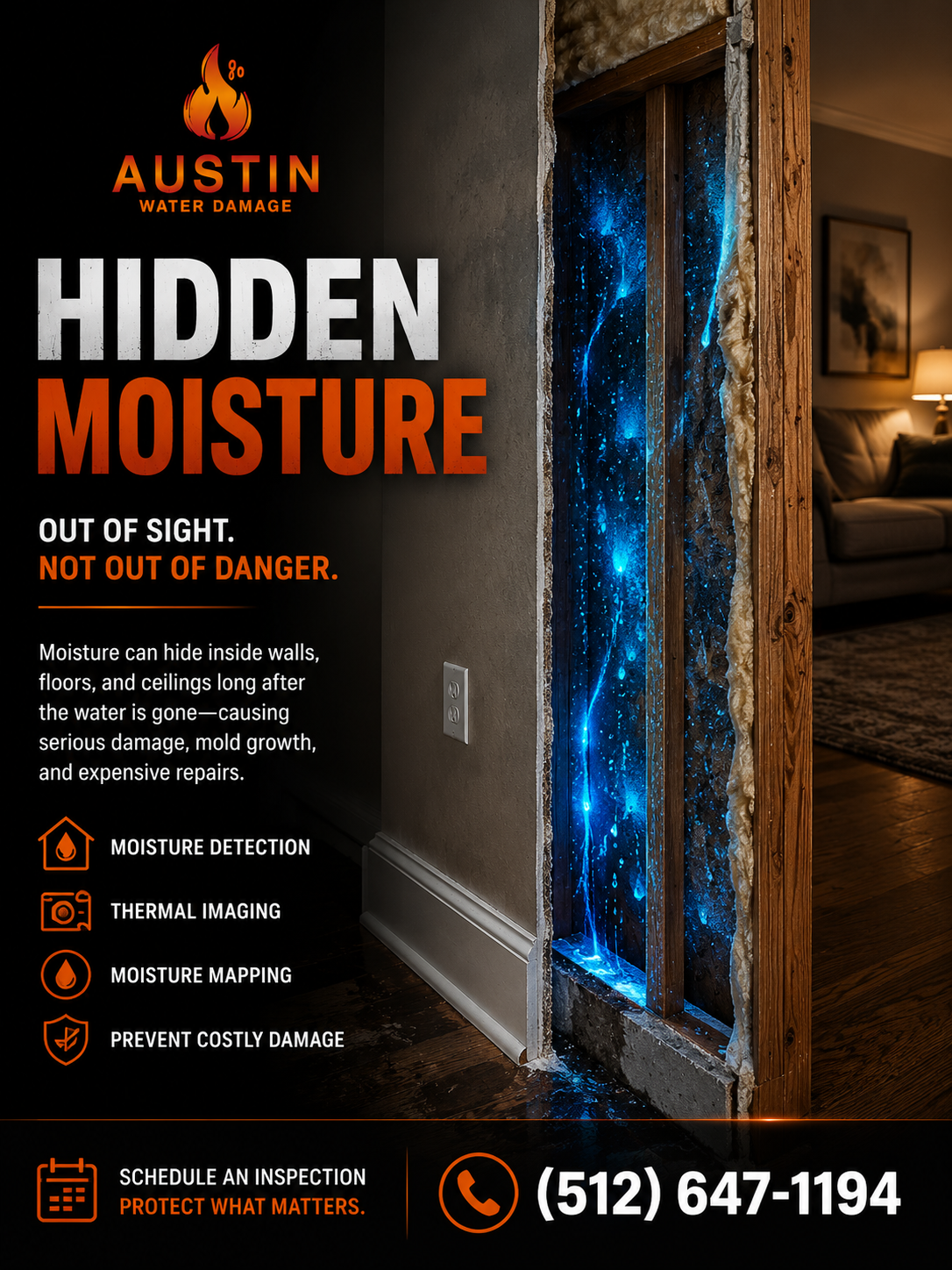
Water migrates behind surfaces.
Smoke residue settles unevenly.
Indoor floods affect multiple rooms before detection.
At the same time, demand for restoration services has grown.
Competition increased.
Response times improved.
However, faster response does not always produce better long-term outcomes.
In practice, most regret comes from incomplete context rather than a lack of effort.
You are not expected to understand how these systems behave.
This confusion is common.
How to Use This Site
This site organizes information by damage behavior rather than by marketing categories.
Each section explains:
What typically goes wrong
What failure looks like over time
Which decisions are difficult to reverse
How accountability functions after completion
Instead of pushing urgency, the structure slows evaluation.
Fewer assumptions reduce error.
Structured understanding improves outcomes.
Water Damage
Water damage often appears manageable at first.
Surfaces dry.
Equipment runs.
Rooms look restored.
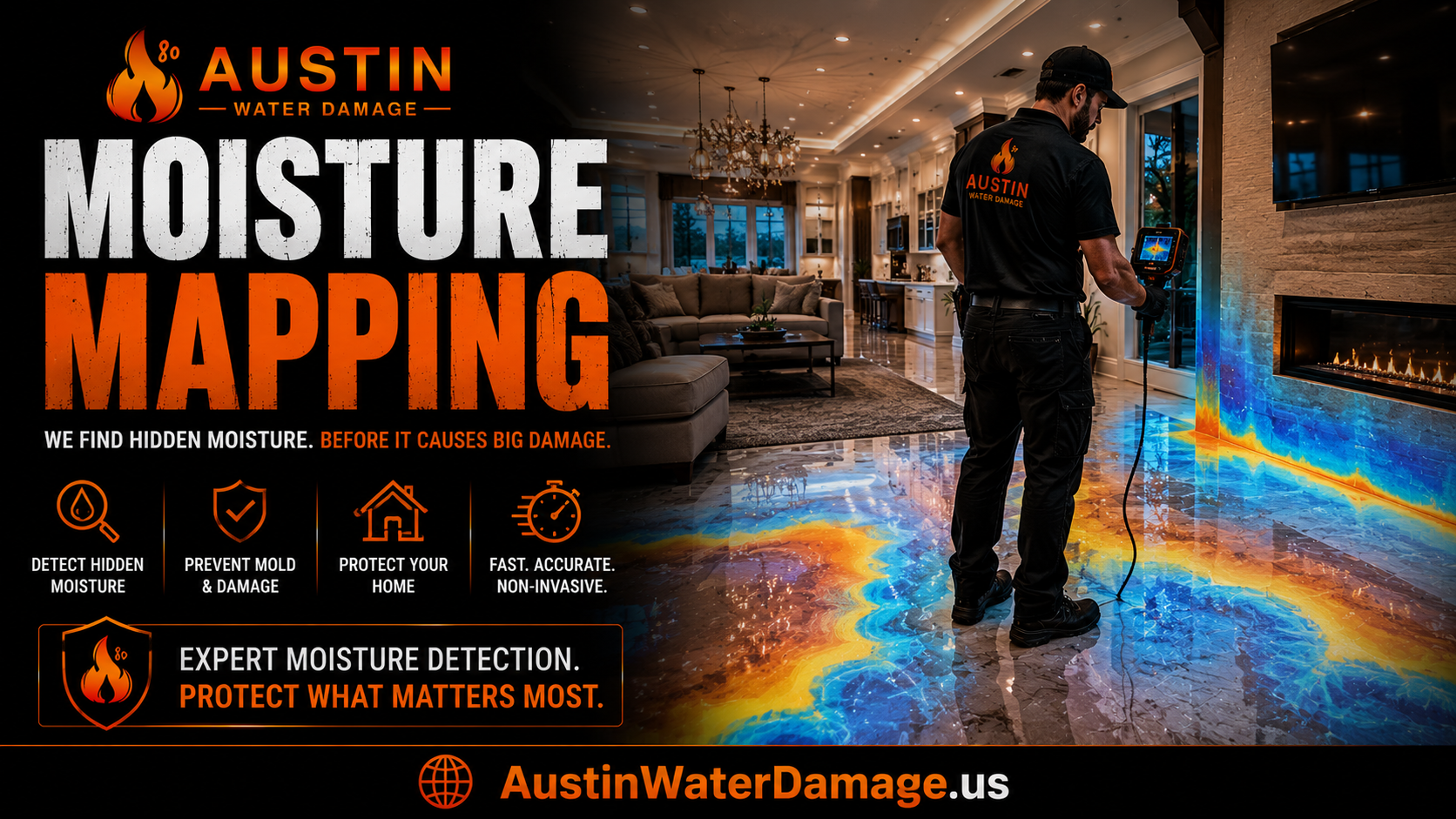
However, moisture frequently moves beyond what is visible.
The Water Damage section explains:
How water migrates through framing and flooring
Why incomplete drying causes secondary damage
What tends to surface at 30 days, 6 months, and later
Understanding water behavior protects long-term stability.

Flood Repair & Cleanup
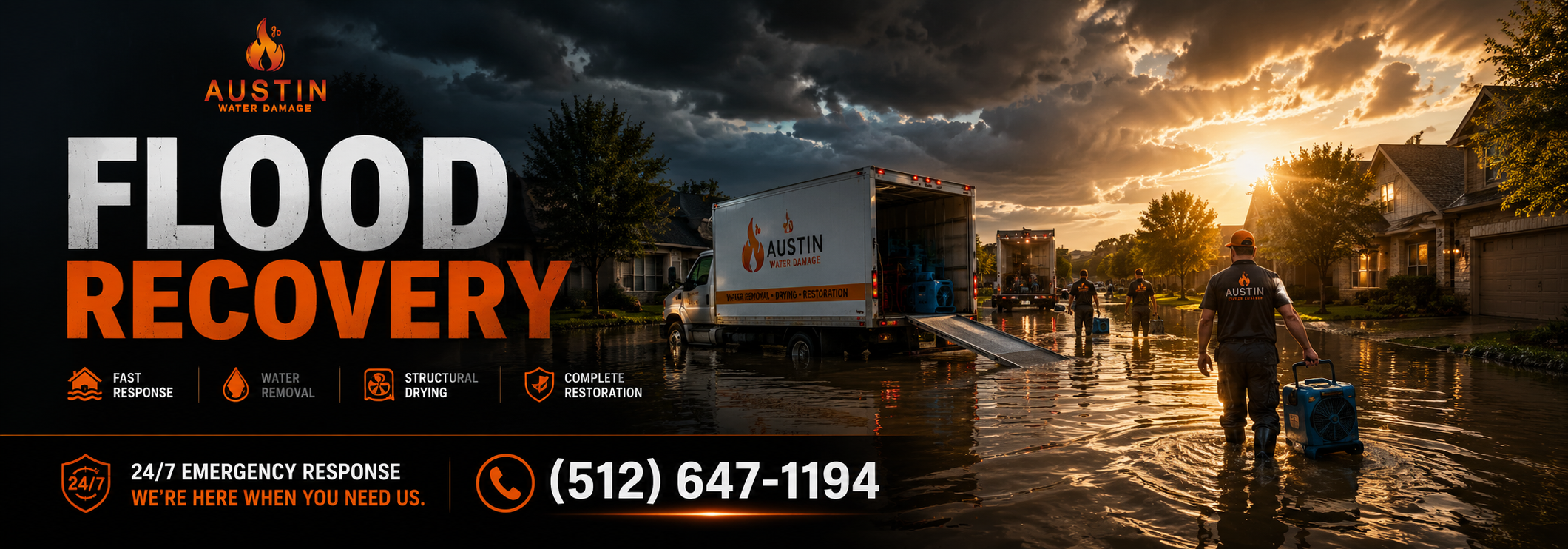
Indoor floods behave differently from localized leaks.
When three or more rooms are affected, scale changes risk.
Broken pipes, water heater failures, and vacant homes increase exposure.
Flood Repair & Cleanup focuses on:
How multi-room events spread
Why scope definition matters
What often surfaces months later
Flooding is not just cleanup.
It is structural recovery.


Fire Damage and Smoke
Fire damage does not end when flames stop.
Heat alters materials.
Smoke residue penetrates surfaces.
Odors return when conditions change.
The Fire Damage section explains:
How residue spreads
Why surface cleaning may not resolve underlying issues
What commonly reappears after initial restoration
Fire-related damage requires evaluation beyond visible debris.
Leak Detection and Plumbing Failures
Many major restoration events begin with small plumbing failures.
Supply lines break.
Water heaters rupture.
Leaks continue unnoticed during travel.
The Plumbing and Leak sections explain:
How small failures become large exposures
Why temporary repairs create repeat damage
How plumbing decisions affect long-term restoration outcomes
Stopping the source is different from resolving the damage.
What Has Changed in the Restoration Industry
Restoration once centered on visible repair.
Today, outcomes depend on:
Verification rather than assumption
Documentation beyond surface appearance
Monitoring after equipment removal
Clear ownership responsibility
Increased competition improved speed.
However, it also increased fragmentation.
When teams focus on arrival instead of outcome, accountability narrows.
This site addresses those structural changes directly.
Accountability and Structure
Trust is not a feeling.
It is a structure.
Effective restoration systems include:
Defined performance standards
Measurable drying or cleaning benchmarks
Clear correction windows
Escalation paths when symptoms return
Accountability prevents silent failure.
It protects homeowners long after work appears complete.
Without structure, problems reappear quietly.

Where to Start
If you know the type of damage, begin with the matching section.
If you are unsure, start with Water Damage, as many issues originate there.
Each page builds context before decisions.
Austin Water Damage functions as decision guidance, not promotional content.
Understanding protects property value.
Structure protects outcomes.
If this homepage slowed your thinking and increased clarity, it worked.